Kragh Berglund introduces new leadership roles
Kragh Berglund
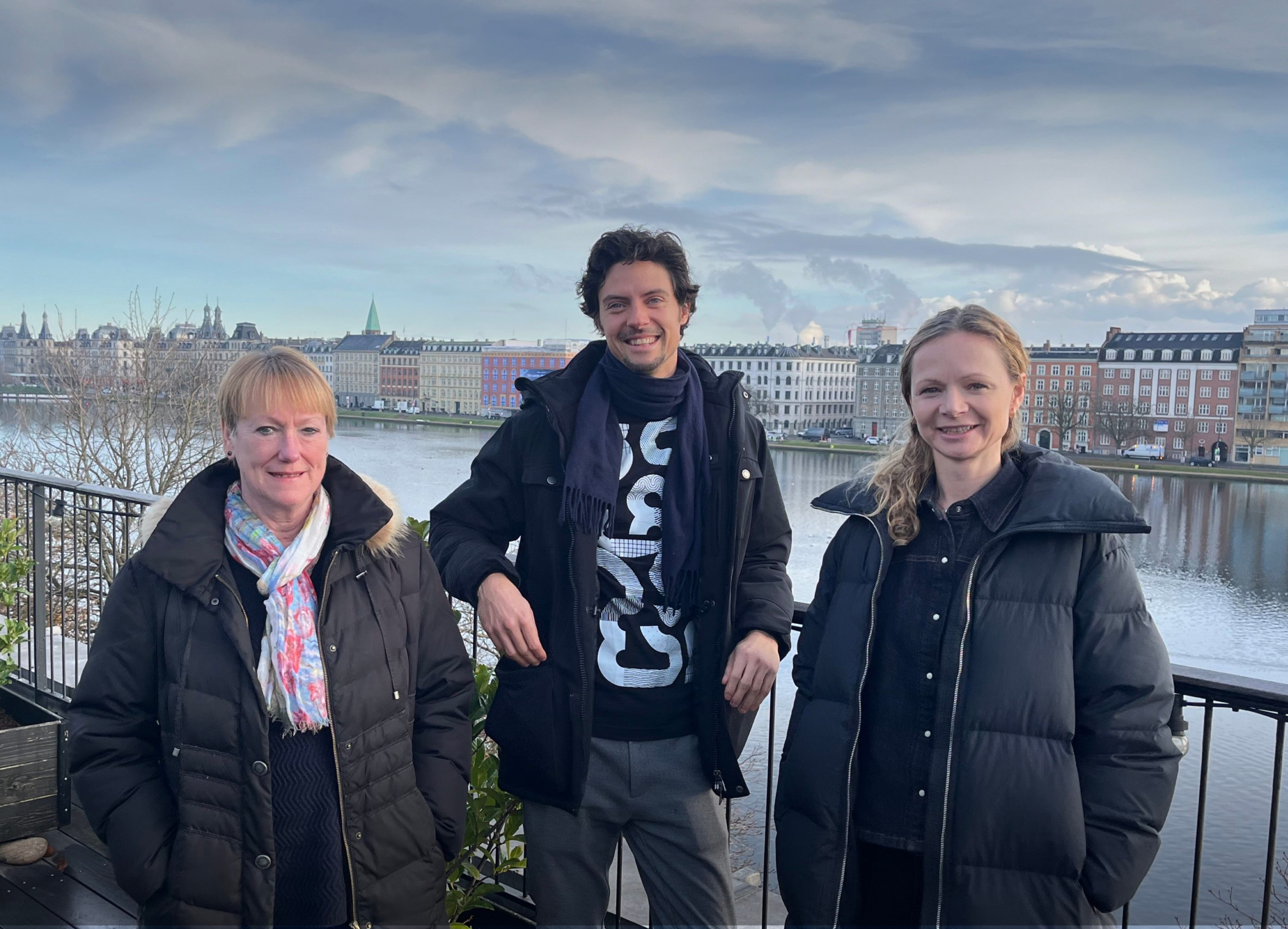
New Leadership Positions
Maika Moerner Jensen - Studio Manager (Tegnestuechef)
Mark Sønderup - Resource Manager (Resourcechef)
Mai-Britt Staune Gaustad - Financial Manager (Økonomichef)
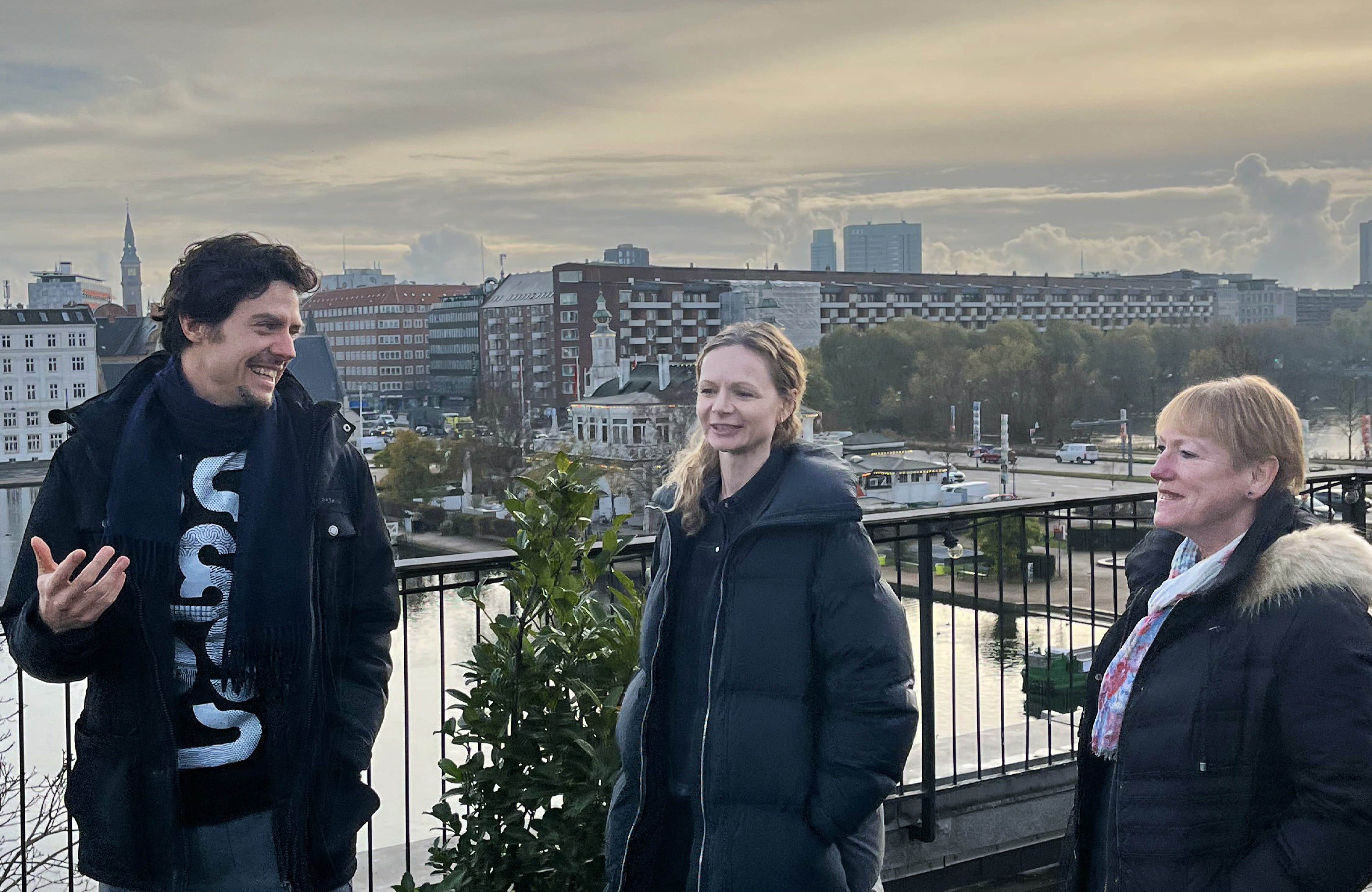
Kragh Berglund has implemented a new leadership structure as part of an ongoing effort to strengthen the studio and ensure its long-term stability in an evolving professional architecture and design field. The changes include the appointment of Maika Moerner Jensen as Studio Manager (tegnestuechef), Mark Sønderup as Resource Manager (resourcechef), and Mai-Britt Staune Gaustad as Financial Manager (økonomichef). These roles have been introduced to better support both people, projects, and the overall resilience of the studio.
The restructuring reflects a clear ambition: to reinforce professional quality, safeguard the studio’s internal culture, and enable the company to navigate the increasing and challenging demands within architecture and design, especially as a smaller studio.
“Through the formalization of leadership responsibilities, we establish a clearer organizational framework with defined accountability for people, projects, and resources. This allows us to focus more fully on the professional direction and long-term development of the studio”
Hans Kragh, CEO Kragh Berglund
Leadership closer to people and projects
The new leadership structure is rooted in Kragh Berglund’s business strategy, which emphasizes stronger internal leadership, professional depth, and long-term economic sustainability without compromising architectural ambition.
With the new roles in place, founders and CEOs Hans Kragh and Jonas Berglund will be able to dedicate more time to strategic development, client relationships, and identifying future opportunities for the studio.
“Through the formalization of leadership responsibilities, we establish a clearer organizational framework with defined accountability for people, projects, and resources. This allows us to focus more fully on the professional direction and long-term development of the studio”, says Hans Kragh.
Staying close to the process and the users
At Kragh Berglund, closeness to collaborators, users, and the physical realities of a project site is considered fundamental to architectural quality.
“We work directly with those who inhabit and use the spaces we design,” Hans Kragh explains. “The farther the architect or designer is from the site, the drawing table, and the people the more distant the solution becomes. We intend to remain closely involved at every step of the process.”.

Maika Moerner Jensen: Studio Manager with responsibility for project leadership
As Studio Manager, Maika Moerner Jensen takes responsibility for the overall organization and leadership of projects. Trained as a construction economist (byggeøkonom), she brings extensive experience from large-scale projects at Kragh Berglund, including Stejlepladsen and the Sluseholmen Metro, where she has worked with:
– contract drafting and agreements
– project management and design management
– local planning processes and coordination with authorities and collaborators
Prior to joining Kragh Berglund, Maika spent six years at Entasis, contributing to major urban developments such as Carlsbergbyen and the transformation of Thomas B. Thriges Gade in Odense.
“I see my role as the link between the professional environment and the structures needed to deliver complex projects,” says Maika Moerner Jensen. “Good project management is not about controlling creativity. It is about creating the frameworks in which it can thrive”.
Mark Sønderup: Resource Manager with focus on wellbeing and teamwork
With his current role as team leader (gruppeleder) in the strategic partnership “ByK med TRUST”, Mark already has several years of experience in managing project- and employee resources and is known as a unifying presence in our everyday practice. In his new role as Resource Manager, he now takes formal responsibility for:
– wellbeing and psychological safety in the studio
– staff- and resource planning across all projects
– further developing Kragh Berglund as a creative workplace that encourages openness, dialogue, and professional trust
“Equally important to the studio’s external work is its internal culture. A strong sense of community, professional trust, and workplace security enables open collaboration and contributes directly to the quality of our work”, the company notes.
“In order to achieve the best projects possible, we need to provide the best working environment. That means making sure our employees know exactly what is expected of them, which assignments to prioritize, and in what timeframe”, says Mark Sønderup. “My role is to ensure a healthy work-life balance by keeping an eye on our workload – and at the same time making sure the right competencies are brought into play at the right times”.
Mai-Britt Staune Gaustad: Head of Finance and Project Controller
As Head of Finance and Project Controller, Mai-Britt Staune Gaustad is responsible for ensuring professional and reliable financial management experience for both clients and the studio. Her role focuses on creating clarity and consistency in the financial governance of projects and operations.
Internally, Mai-Britt works to align invoicing, project finances, and budgeting processes. By establishing clear routines and supporting project managers in financial oversight, she helps strengthen self-leadership and contributes to the continued professionalization of project management at Kragh Berglund.
The overarching goal of her role is to maintain ongoing financial oversight, allowing the studio to focus fully on its professional and creative work.
A shared investment in quality and resilience
Together, the appointments of Maika Moerner Jensen, Mark Sønderup, and Mai-Britt Staune Gaustad represent a strategic investment in Kragh Berglund’s future while strengthening professional quality and internal culture at the same time.
With the new structure in place, Kragh Berglund continues forward with a clear commitment to thoughtful design, strong professional environments, and long-term resilience while remaining close to the work, the people and the realities that shape meaningful architecture.