The Green Schoolyards
Category
Location
Stockholm, Sweden
Client
SISAB, Utbildningsförvaltningen Stockholm Municipality
Contract period
2023-2026
Contact
Jonas P. Berglund
Image credits
Kragh Berglund
On behalf of SISAB and the Education Administration of the City of Stockholm (Utbildningsförvaltningen), Kragh Berglund’s Stockholm office has redesigned seven existing schoolyards across Stockholm as part of The Green Schoolyards initiative.
The project includes the following schools:
1. Oxhagsskolan
2. Elinsborgsskolan
3. Snösätraskolan
4. Solbergaskolan
5. Björngårdsskolan
6. Essingeskolan
7. Brotorpsskolan
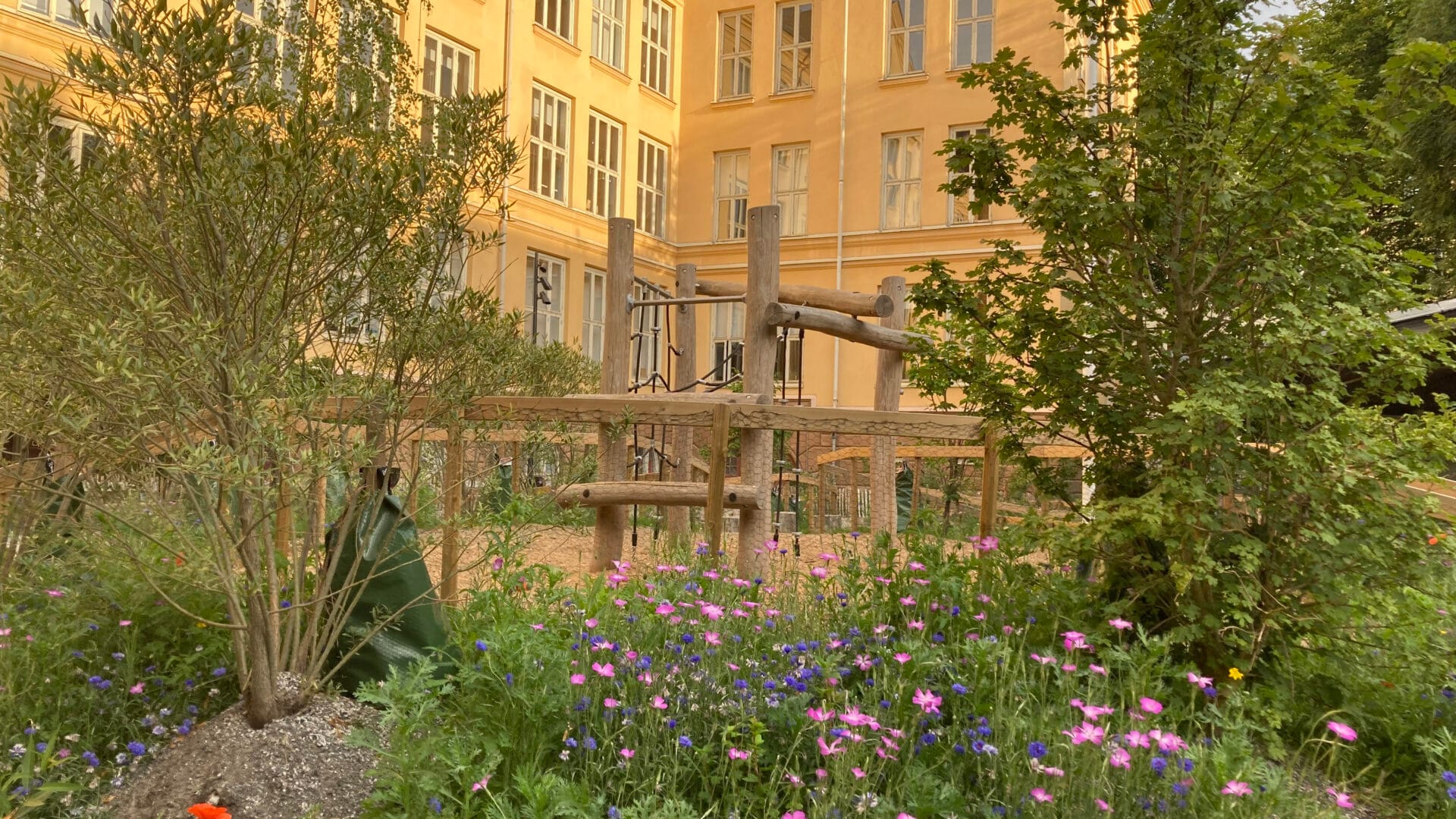
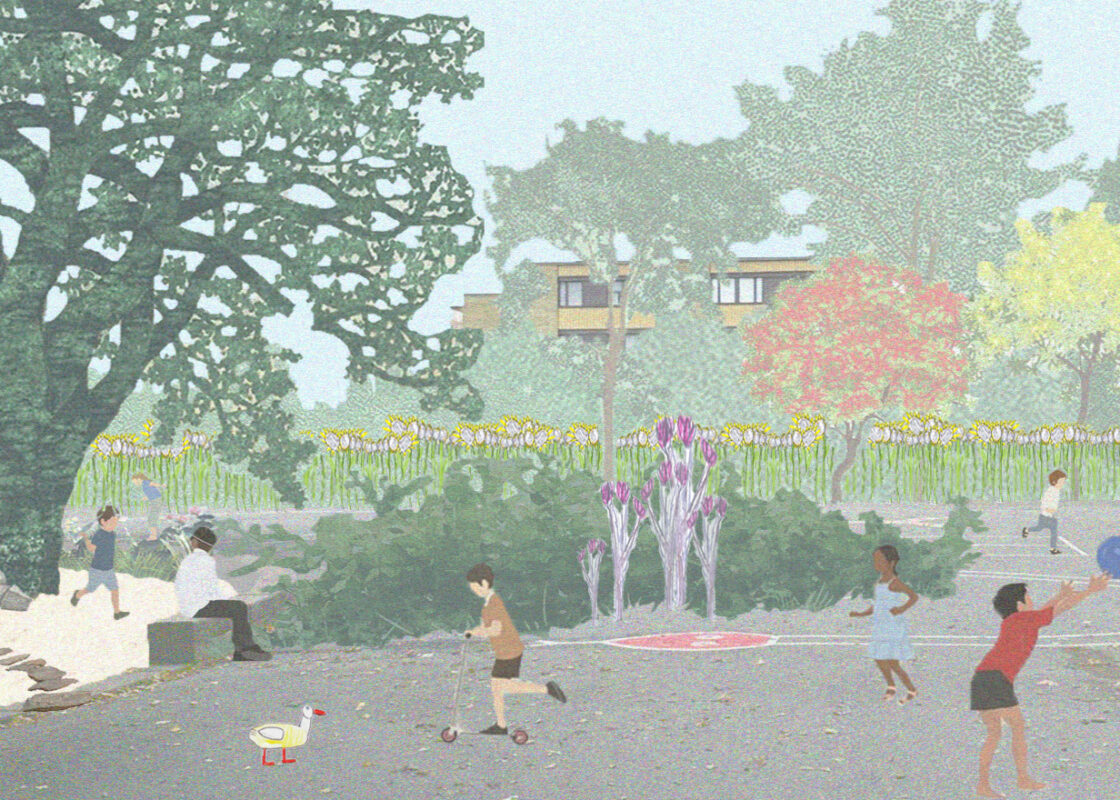
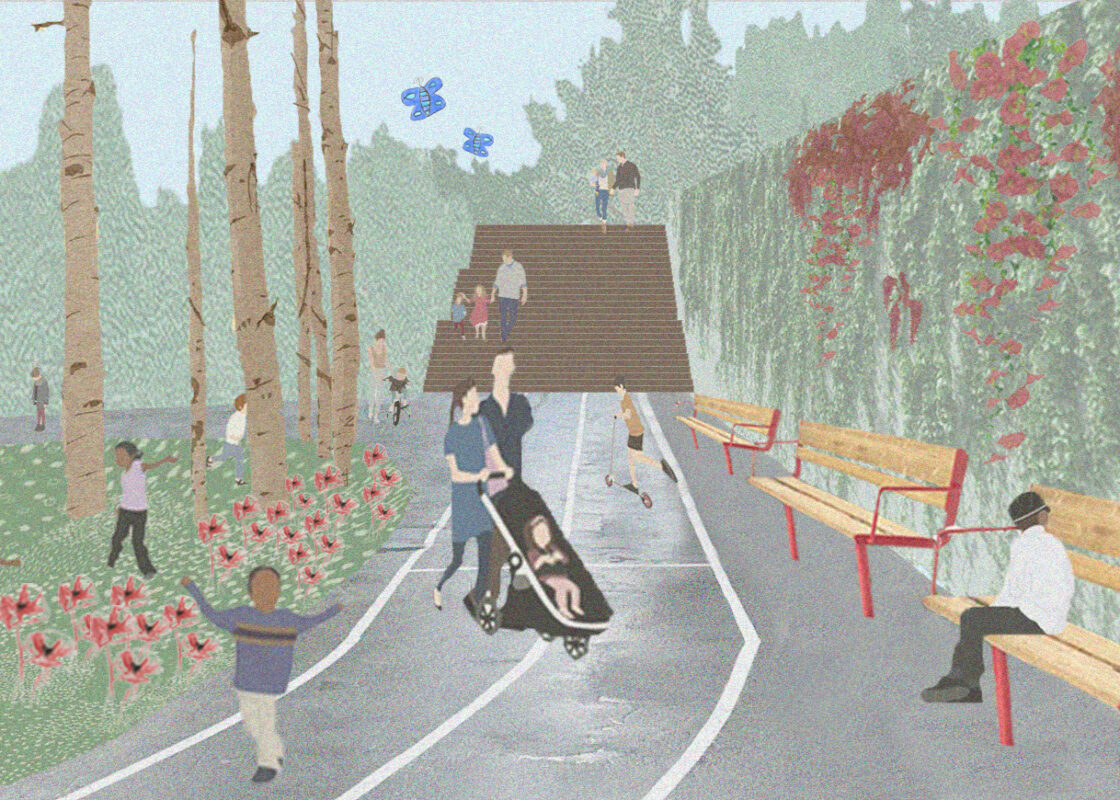
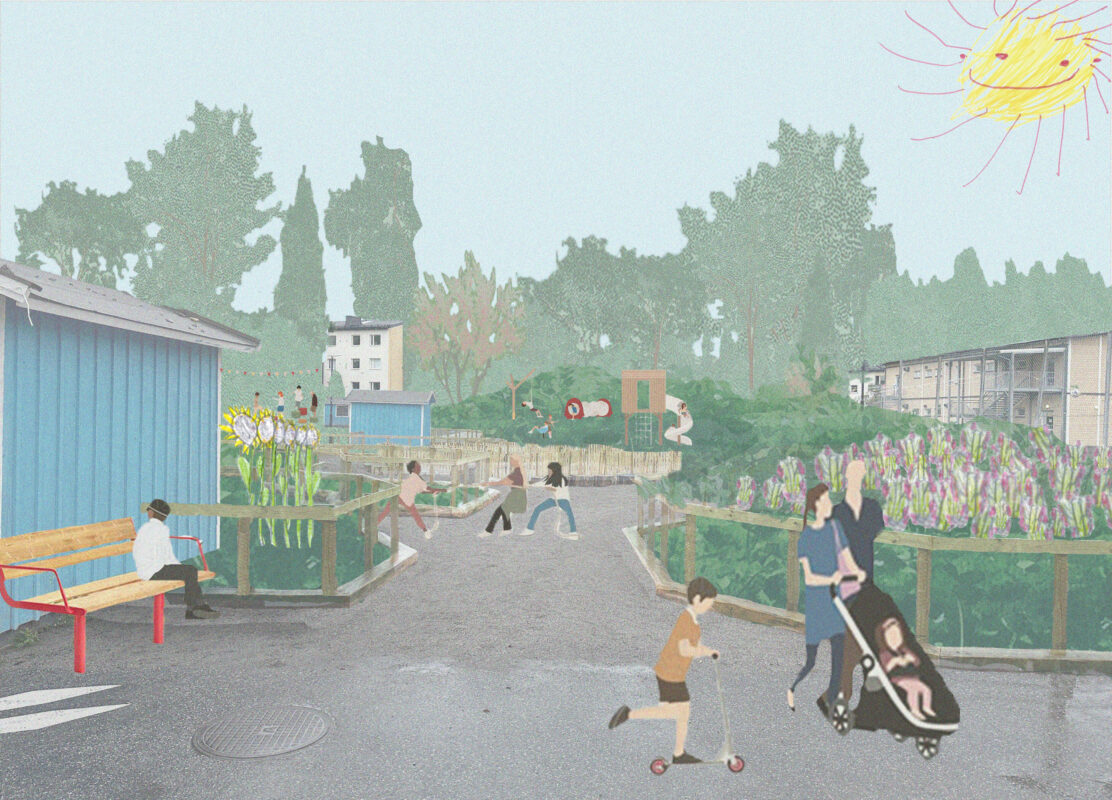
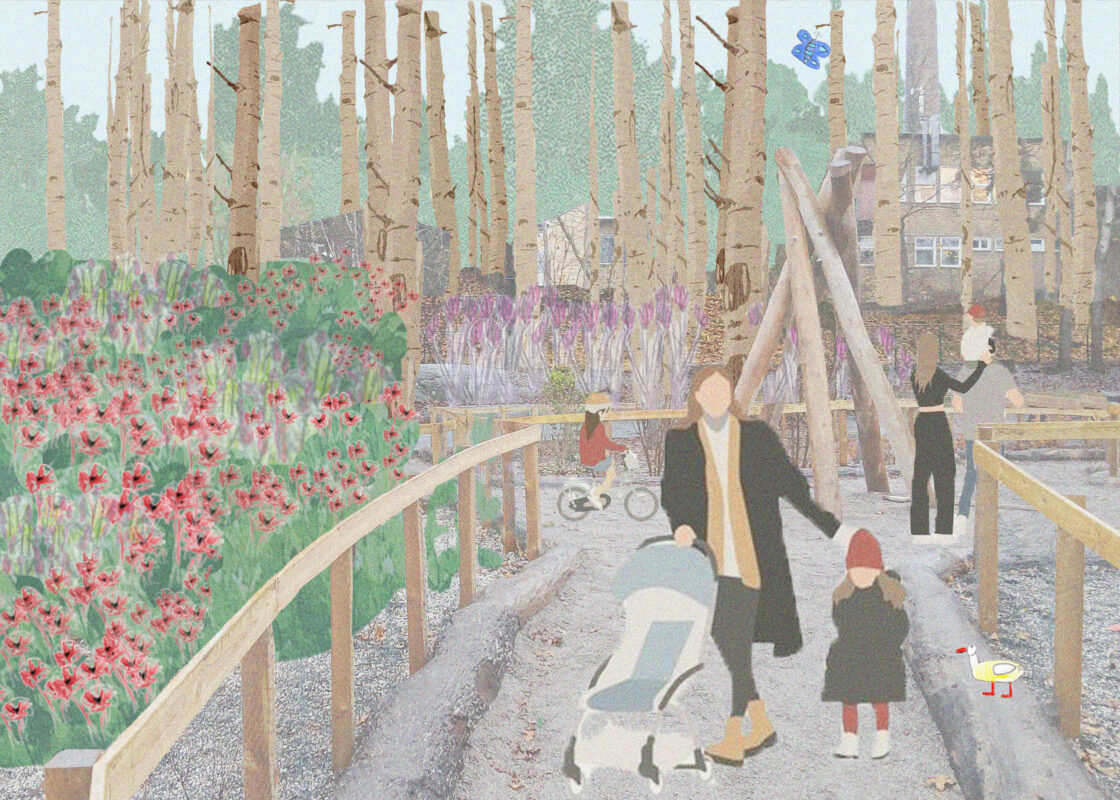
The project transforms traditional schoolyards into greener and more varied environments where the landscape itself becomes part of the play. Through diverse vegetation and spaces for different activities, we encourage physical activity, imaginative play, social interaction and recovery. Combining the children’s own ideas with a focus on biodiversity and climate adaptation our aim is to create stimulating and accessible outdoor environments that are robust and sustainable over time.
Schoolyards play an important role in shaping children’s relationship with nature. By integrating natural environments into everyday school life, we create opportunities for children to explore and develop an understanding of the natural world..
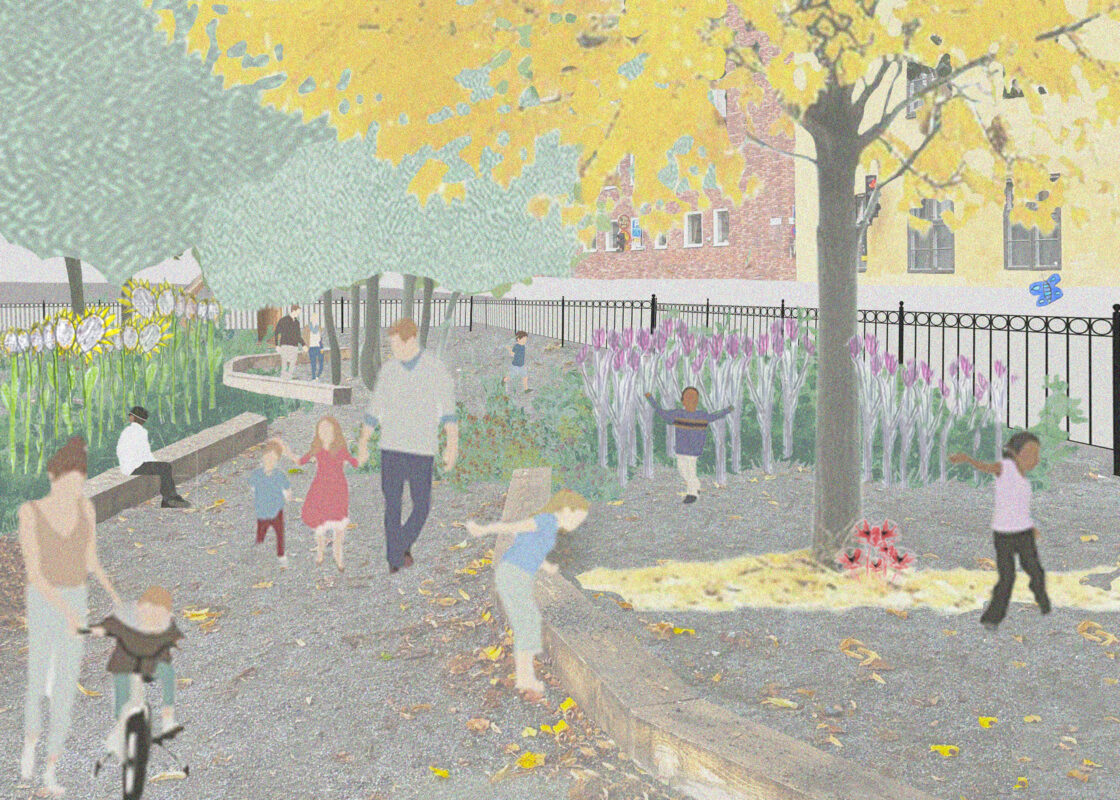
Björngårdsskolan
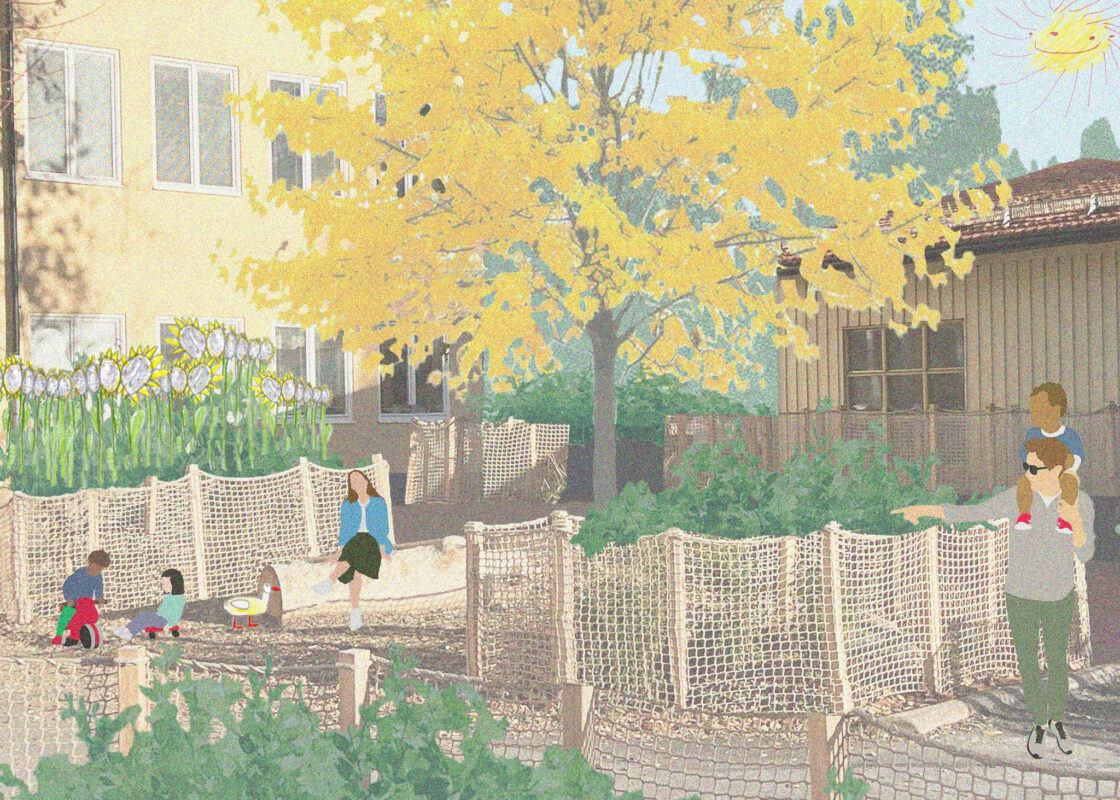
Essingeskolan
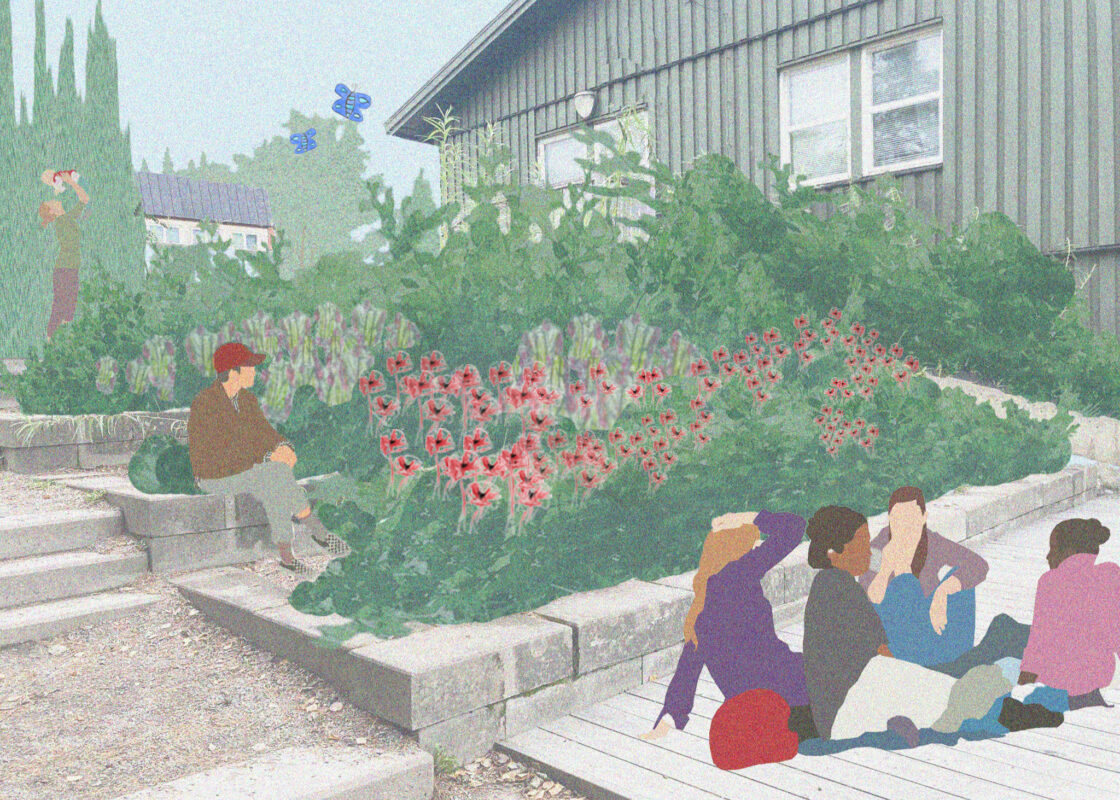
Brotorpsskolan
Process
Each schoolyard had its own starting point, challenges and needs. We began by surveying the existing vegetation and play equipment, then built on these resources to encourage more active play. Our approach focused on promoting physical activity and inclusive play, replacing expanses of hard surfacing with greener environments, and creating opportunities for outdoor learning.
Many older schoolyards offer generous space but lack spatial qualities. Large areas of hard surfacing often lack variation and character, leaving the school environment uninspiring or even intimidating, as well as contributing to urban heat-island effects and flood risks. Research suggests that well-designed green play environments can support inclusive and varied play, encourage physical activity, provide spaces for rest and recovery, and promote more gender-equal play.
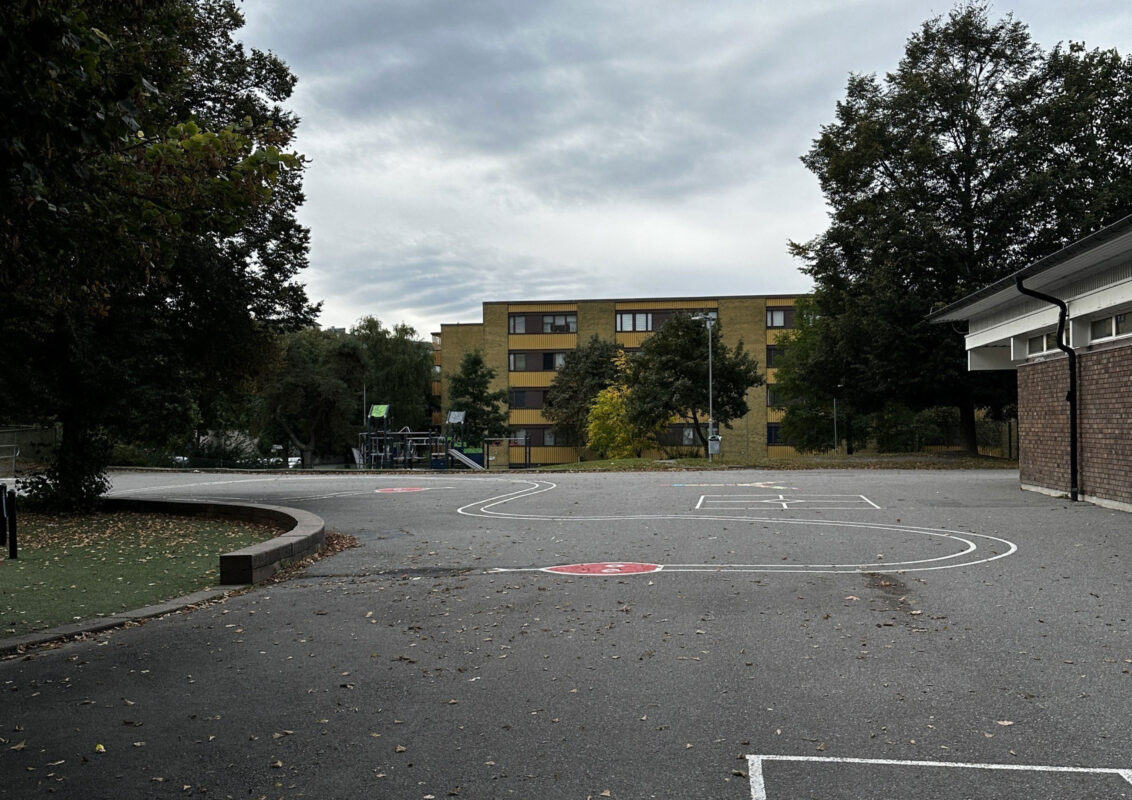
Schoolyards before transformation. Oxhagsskolan.
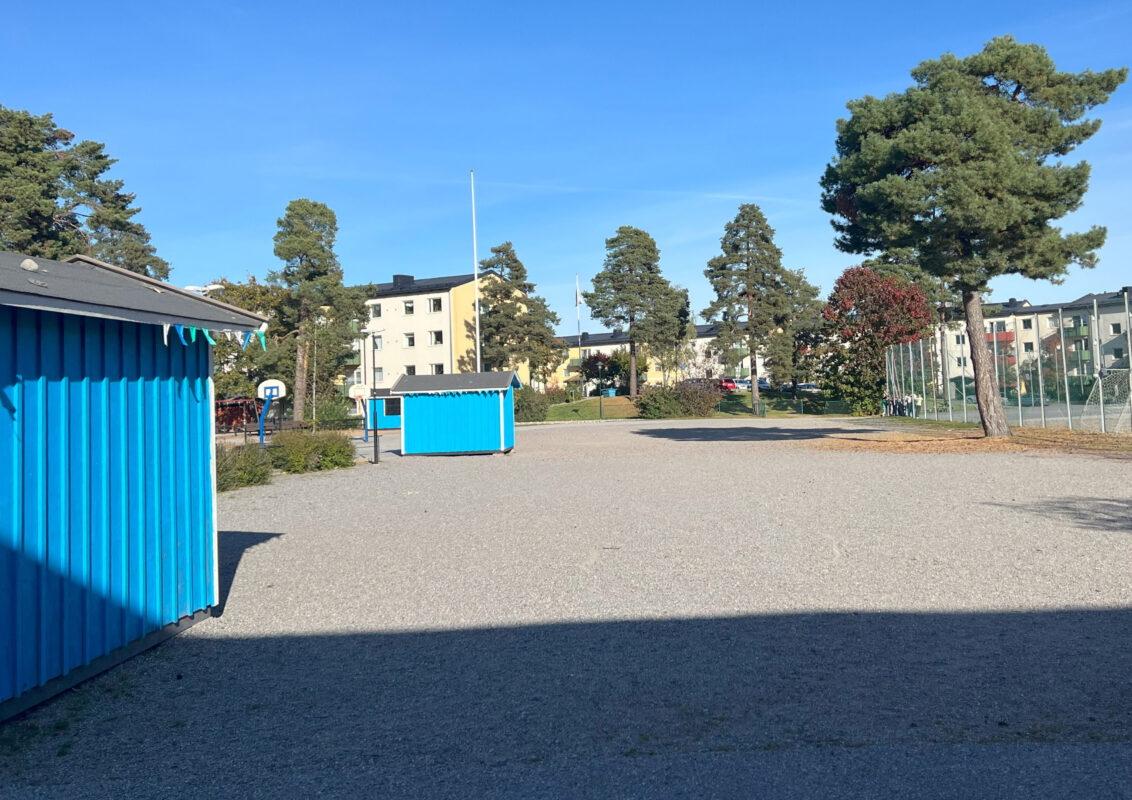
Snösätraskolan.
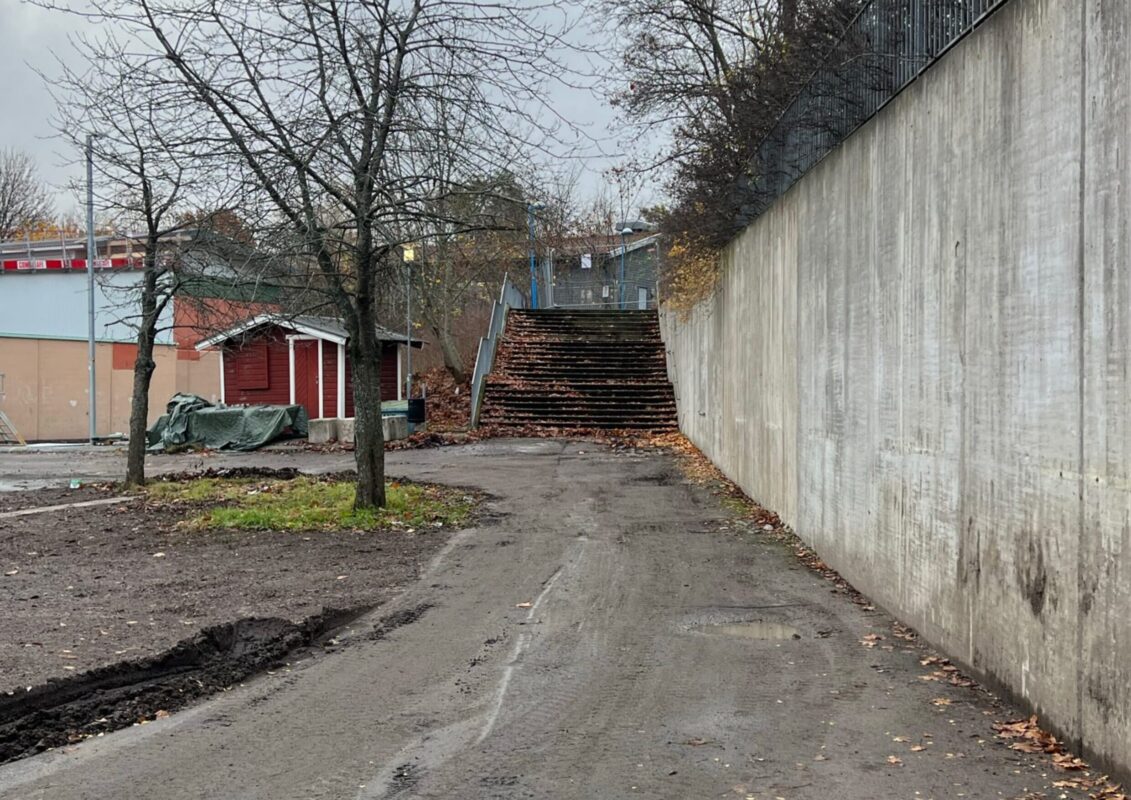
Elinsborgsskolan
The physical models illustrate how these principles have been translated into spatial designs across the different schoolyards.


A key part of the project was involving the children themselves. Through workshops and design dialogues, pupils of different ages shared their ideas using drawings, maps and reference images. Teachers and school staff also contributed throughout the process, ensuring that the designs responded to the needs of each school. Many of the children’s ideas, from willow tunnels to edible planting, were incorporated into the final designs.


The vegetation of the schoolyards is one of our most important building blocks for creating an experiential and stimulating outdoor environment. Planting is selected for its durability, play value and sensory qualities, with varied textures, colours and seasonal changes. Trees and planted areas provide shade, improve the microclimate and help mitigate urban heat-island effects. Green islands, varied topography and strategically placed vegetation also help break up extensive paved surfaces, creating more diverse and comfortable outdoor environments.
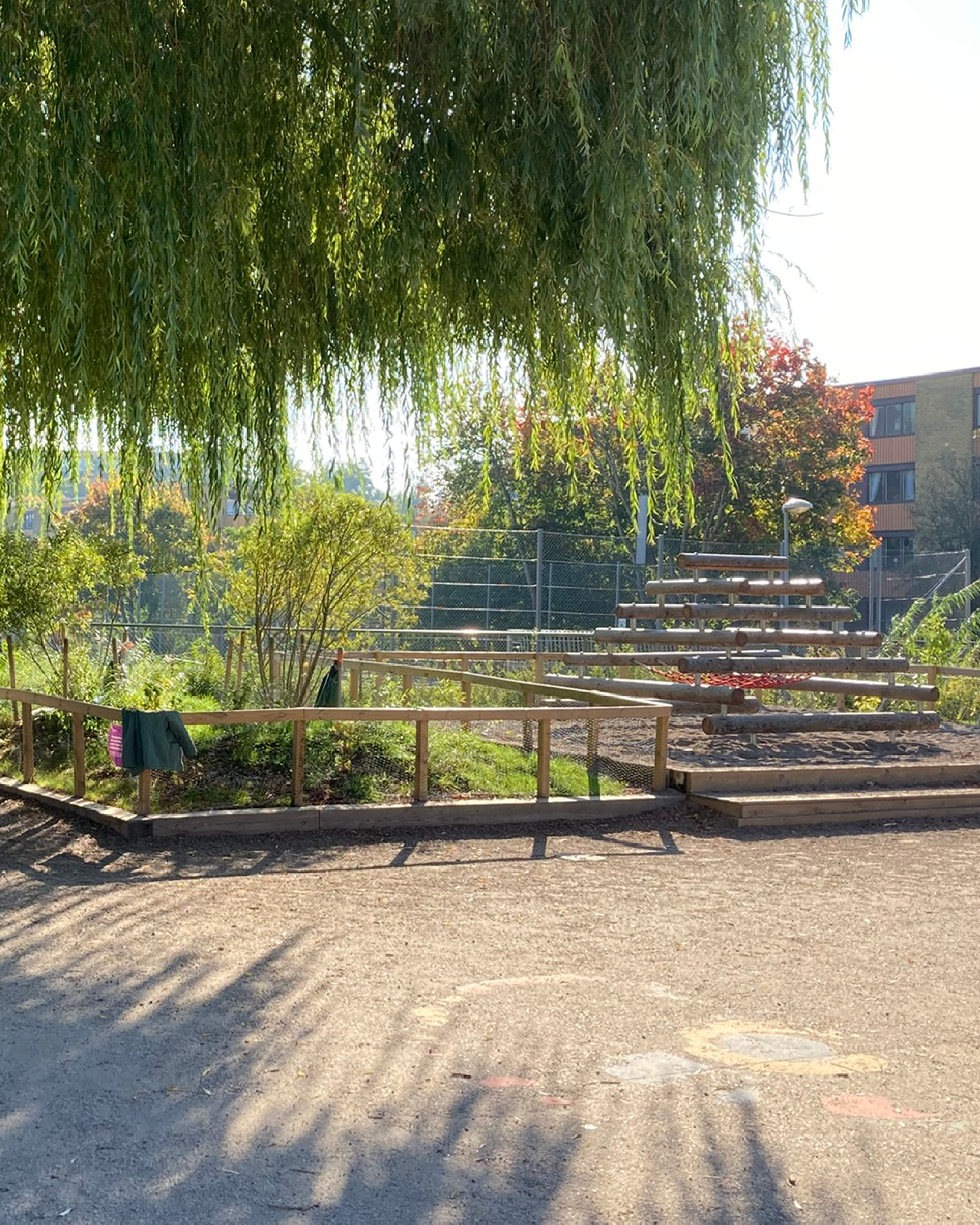
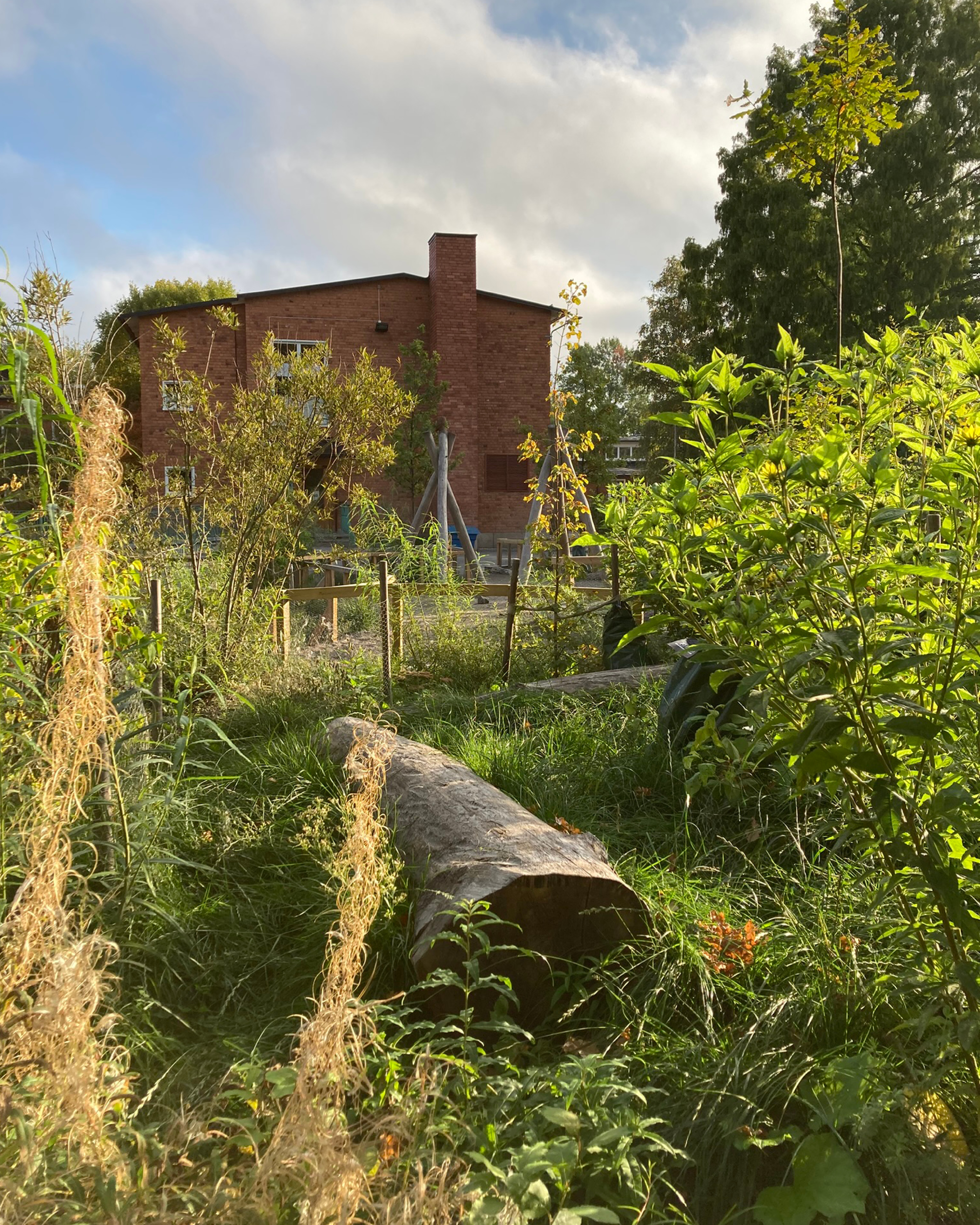
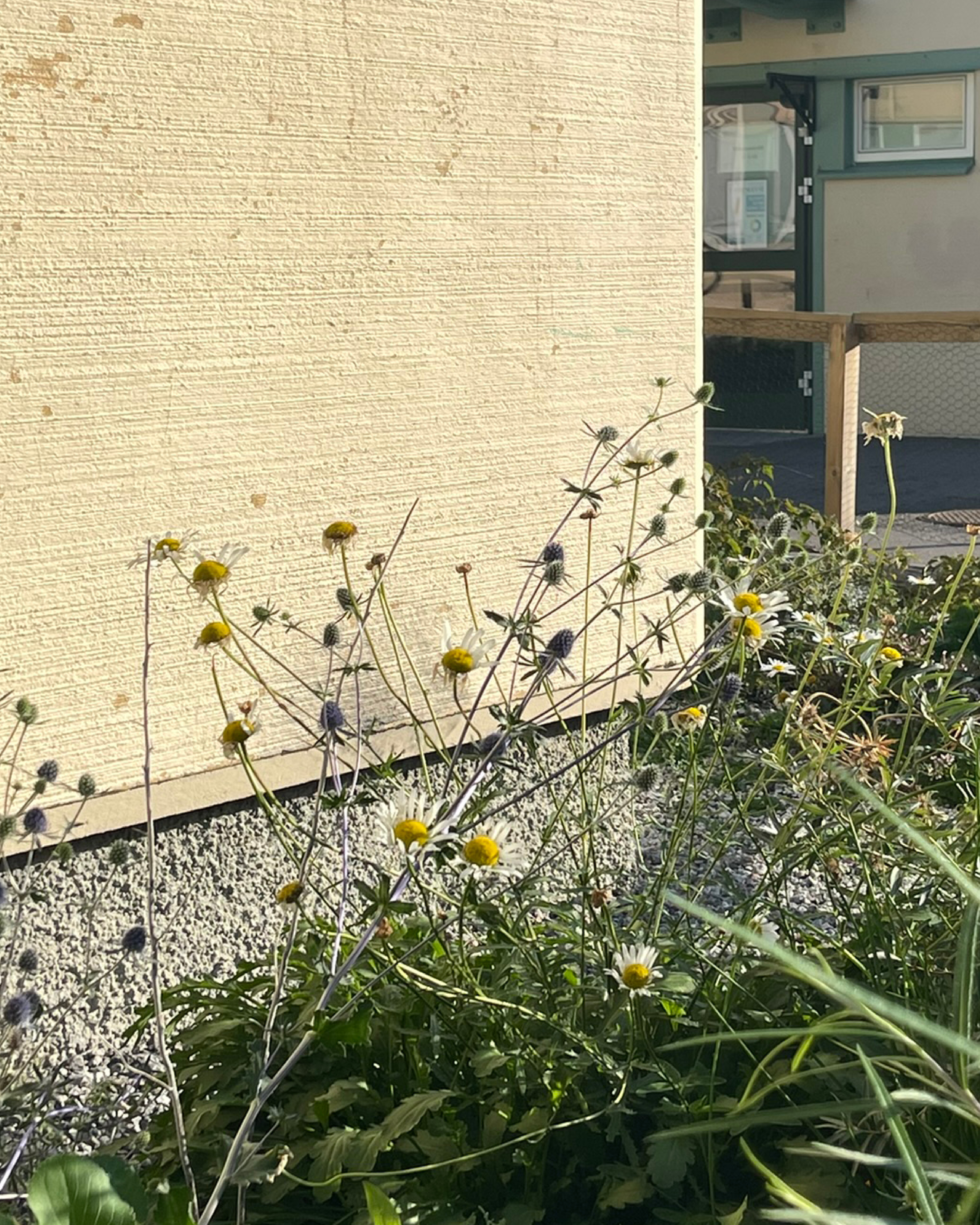
Existing vegetation, materials and play equipment have been retained or reused wherever possible. New elements primarily incorporate natural materials, encouraging imaginative play while reducing environmental impact. By introducing natural materials, vegetation and varied terrain, the schoolyards offer children opportunities to engage with elements of nature that may otherwise be absent from their everyday environments. Through the initiative, we have developed and tested approaches to creating robust, accessible and long-lasting green play environments.
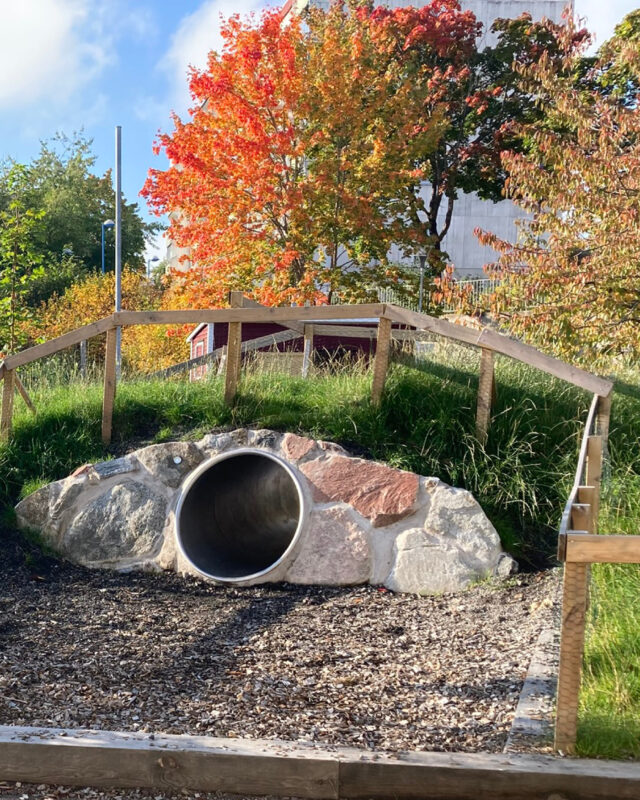
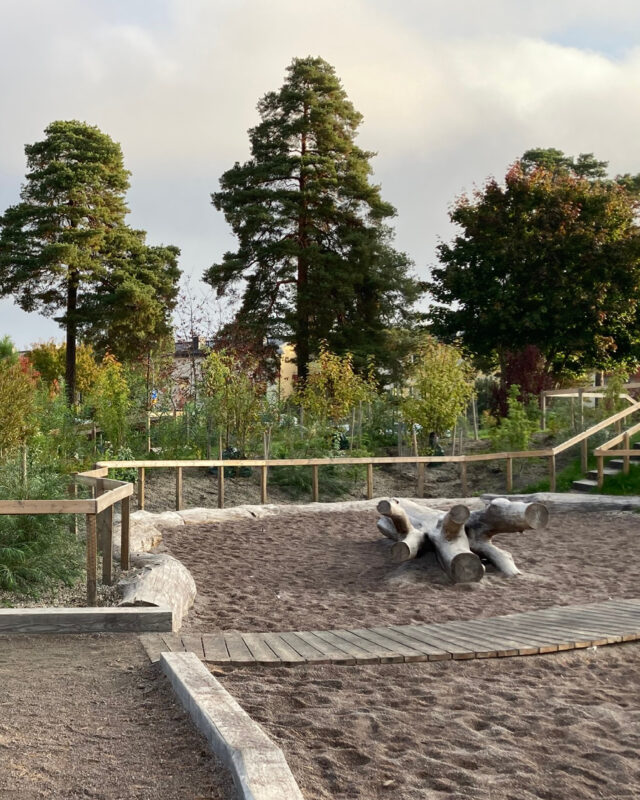
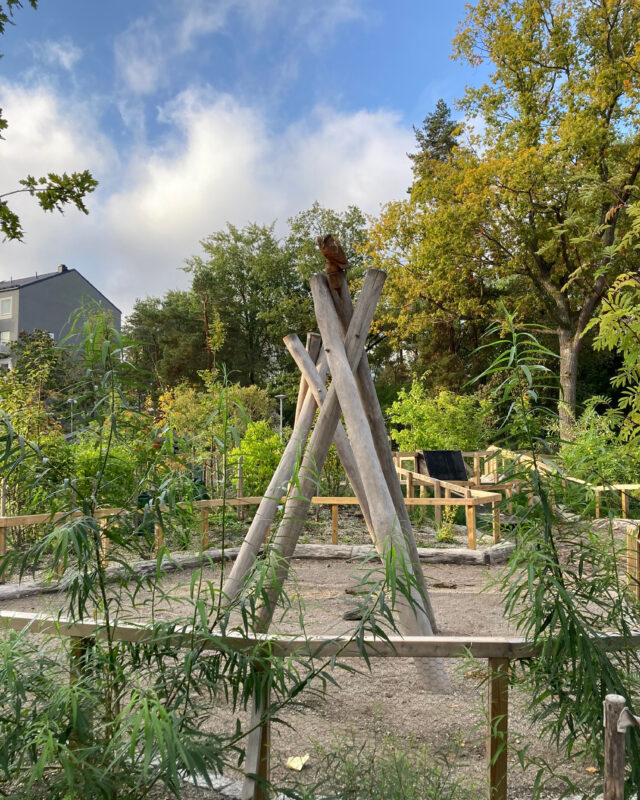
Winding paths, smaller trails and passages through vegetation invite children to explore the schoolyard at their own pace, creating opportunities for adventure and imaginative play.
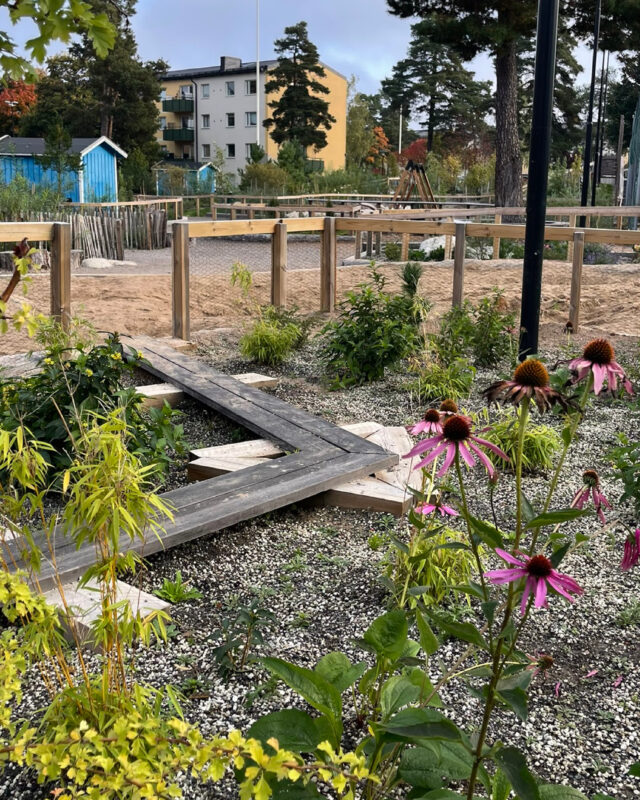
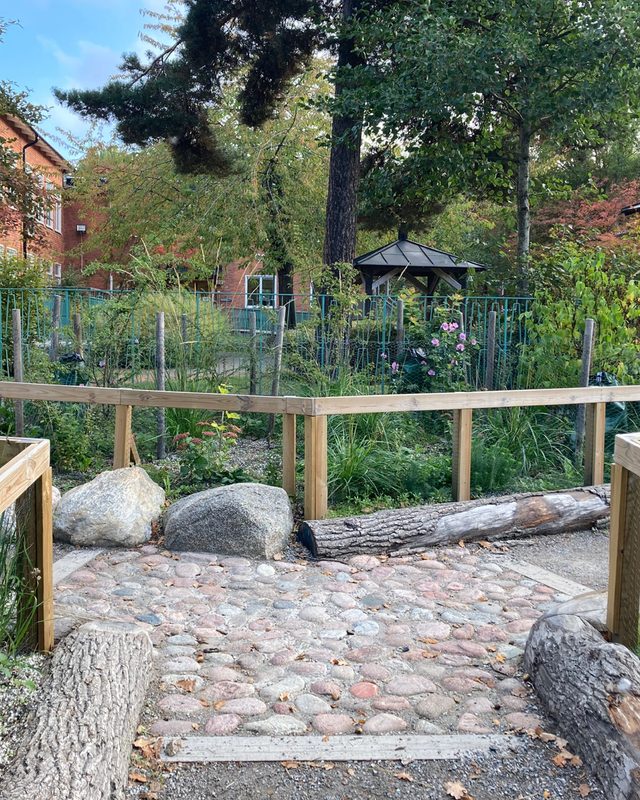
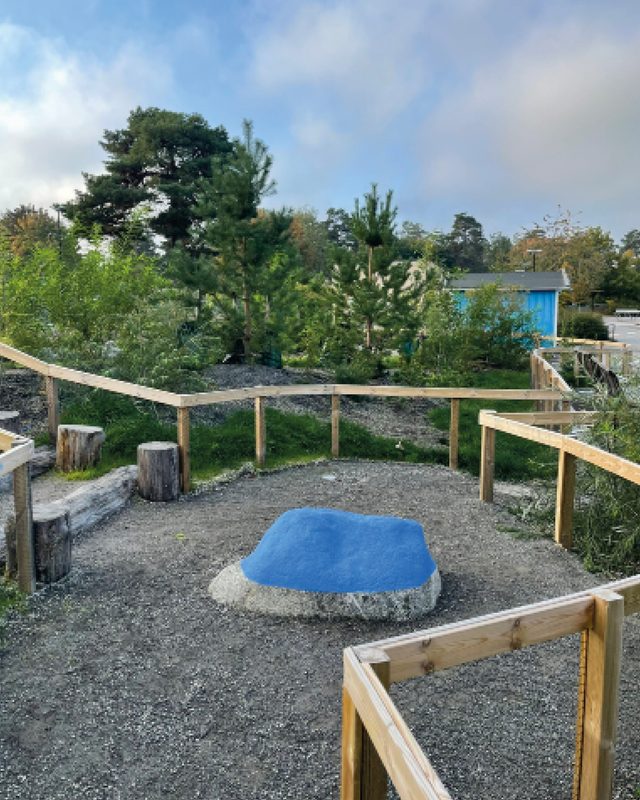
Brotorpsskolan and Essingeskolan were completed in 2024, and the remaining five were completed when the last plantings will be installed during the spring of 2026.
Read more about the projects here:
https://www.svt.se/nyheter/lokalt/stockholm/gronare-skolgard-ska-fa-barn-att-rora-sig-mer
gron-och-aktiv-skola-24.09.02.pdf
Stockholm rustar med fler klimatanpassade skolgårdar | Rödgröna styret i Stockholms stad
Mer grönska på Elinsborgsskolans skolgård – Stockholms stad
Mer grönska på Snösätraskolans skolgård – Stockholms stad
Mer grönska på Solbergaskolans skolgård – Stockholms stad
Mer grönska på Oxhagsskolans skolgård – Stockholms stad
Mer grönska på Björngårdsskolans skolgård – Stockholms stad
Skolträdgård för 4 miljoner invigd i Bagarmossen | Mitt i
Want to learn more?
Contact Jonas P. Berglund
jpb@kragh-berglund.dk
+46 72 210 98 86